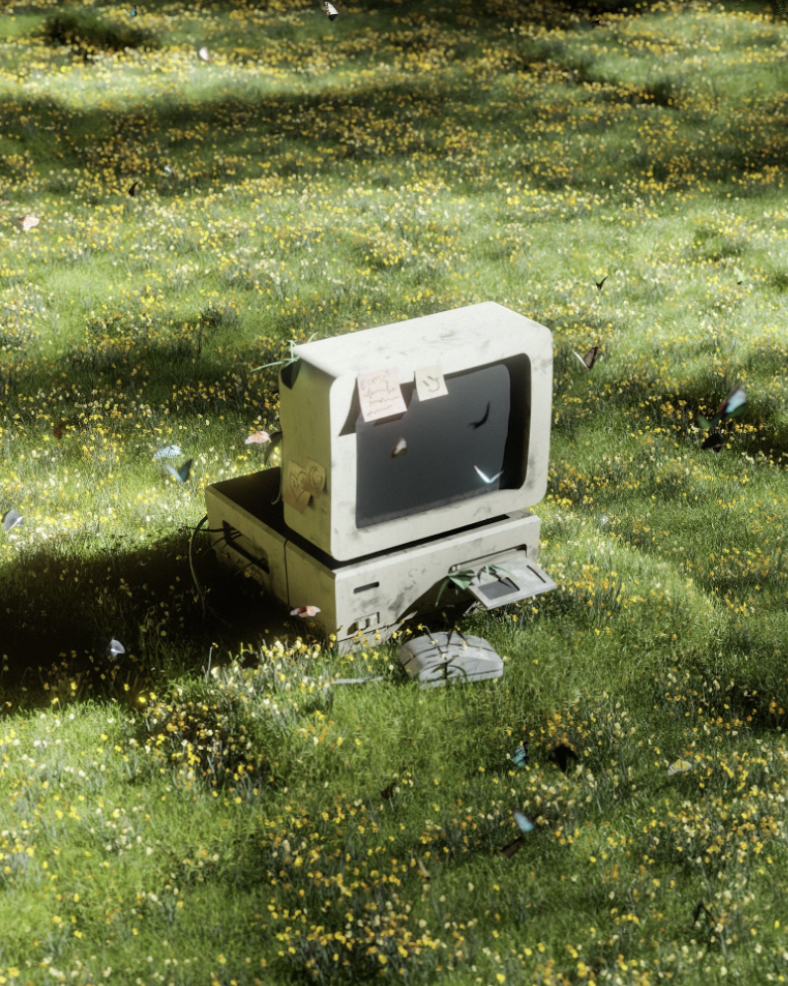
Hello everyone! I am a strong believer of the power of open source whether they are platforms, materials, softwares or just making knowledge more accessible! Here is a list of open source platforms I have gained exposure to through my research exploring regenerative design around the world. Some I have used, some have been used by people I have met and some I have just come across and believe it will be valuable.
Precious Plastic is a project focused on making small scale plastic recycling more accessible. The platform shares machine designs, tutorials and knowledge for building recycling systems that can shred, melt, extrude, inject and press waste plastic into new materials and products. Their machines are specifically designed to be replicable using relatively accessible tools and materials. It gives people the information needed to build and adapt their own systems depending on the materials, tools and needs found locally. They have a whole community platform where people can share the products they make from plastic as well as the details of how to make them. They even include guidelines on how to design your own moulds, construction materials and offer a community marketplace for selling creations.
RepRap stands for Replicating Rapid Prototyper and was one of the projects that helped start the open source 3D printing movement. The idea was to design a low cost 3D printer capable of manufacturing many of the parts needed to create another version of itself. The designs (both hardware and software) were released openly so that people could build, modify and improve the machines rather than relying entirely on closed commercial systems. Their community platform includes forums, a place for others to upload their self replicating designs and many more resources for makers.
Prusa, although not completely open sourced, stemmed from the Rep Rap community and is now a commercial manufacturer of 3D printers. Prusa publicly shares its printer firmware and printable components and allows users to repair, modify and experiment with its machines. Some hardware information and CAD files are also released through its open development model, although not every part of every product is released immediately. Prusa helps users understand how printers work, replace parts and potentially adapt it for new purposes.
On shape again is not completely open source (It is a professional cloud based CAD platform) but its free plan allows people to create publicly accessible CAD documents that other users can view and copy which makes it useful for collaborative and open design projects. The free version also includes CAD tools, version control and real time collaboration, although it is limited to non-commercial work and all documents created through the free plan are public.
Blender is a completely free and open source 3D creation platform. It covers a surprisingly large part of the digital design process, including 3D modelling, sculpting, rendering, animation, simulation, visual effects, video editing and even scripting through Python.
For product and spatial designers, it can be useful for developing forms, creating environments, visualising concepts and producing high quality renders without requiring expensive software subscriptions. It can also be extended through community developed add ons and customized for different workflows. The software itself can also be studied, modified and redistributed. This means its capabilities can continue to develop through contributions from a much wider community rather than being determined entirely by one company.
Appropedia is an open knowledge platform focused on sustainability and appropriate technology. Appropriate technology means asking whether a technology truly fits the environmental, cultural and economic context in which it will be used. This can mean designing systems that are relatively simple, maintainable and appropriate to local resources rather than automatically using the most technologically advanced solution available.
They collect knowledge around areas such as water, energy, agriculture, construction, and sustainable development, allowing people to document projects and learn from solutions developed elsewhere. The platform features over 14,000 pages covering DIY energy, sanitation, food storage, and construction techniques. This includes documented designs, building guides, and low-cost manufacturing tools.
How the platform describes itself: “it is a green living wiki for all matters of international development and aid. Appropedia is an open site for stakeholders to come together and find, create and improve scalable and adaptable solutions.”
A platform for open source blueprints for industrial and community-scale machines, including equipment for agriculture, construction, fabrication, energy and materials processing.One of its central projects is the Global Village Construction Set, an effort to develop openly documented designs for a set of industrial machines needed for areas such as agriculture, construction, fabrication and energy production. The project describes these machines as modular, repairable and designed for local fabrication.
Materiom is an open-access biomaterials database with thousands of recipes and information on how materials are made and their properties. Their database of biomaterials recipes provide information of what they’re made of, how they’re made, and their performance properties. It is specifically aimed at helping people develop bio-based alternatives for packaging, textiles, products and the built environment.
A free and professional Life Cycle analysis software to help designers compare environmental impacts across materials, manufacturing, transport, use and end of life. A life cycle assessment looks at the environmental impact of a product, material or system across different stages of its life, including raw material extraction, manufacturing, transport, use and end of life. OpenLCA also allows users to model these different stages and compare scenarios, materials and processes. It can be paired with different life cycle inventory databases depending on the type of research being carried out.