Milan Design Week is the annual moment when the city becomes a distributed landscape of design. Alongside Salone del Mobile, Fuorisalone spreads through neighborhoods like Brera, Tortona, and Isola with exhibitions, installations, talks, and temporary spaces that turn the city into a live map of what design is focusing on, what it is moving toward, and what ideas are beginning to take root.
This is a list of a few exhibitions I am especially excited about as they circle questions in line with regeneration and allow for deeper understandings of the term manifesting in design.
Matter with consequence. Knowledge carried through craft. Dialogue across disciplines. Futures shaped by memory rather than detached from it. More through materials, local knowledge, cultural continuity, ecology, and slower ways of paying attention. Different projects, different aesthetics, but a shared pull toward design that feels more grounded and alive.
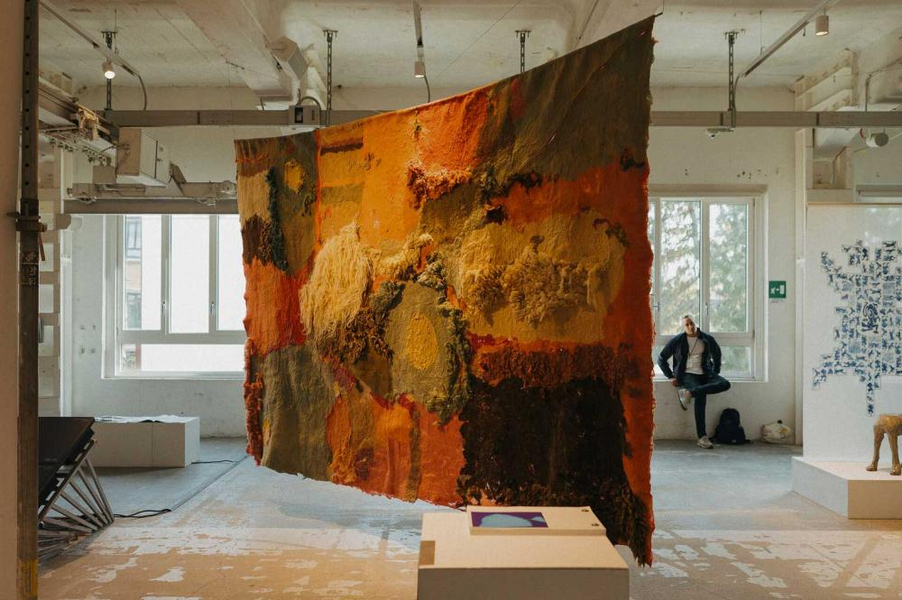
Hello, Darkness sits at the center of BASE Milano’s 2026 program We Will Design. It brings together immersive installations, biodesign practices, open studios, public encounters, and performative activities, with a central exhibition featuring more than 80 designers from 23 countries selected through an international open call. The program unfolds across themes such as community, environmentalism, rituals, and media technology.
What gives the project its charge is the way darkness is framed not simply as crisis or absence, but as a space where new forms of attention can emerge. The exhibition brings together biodesign, speculative ecologies, open source technologies, social design, and collective rituals, which makes it feel less like a polished conclusion and more like design in motion. That openness to uncertainty, process, and relation is part of what gives it depth.
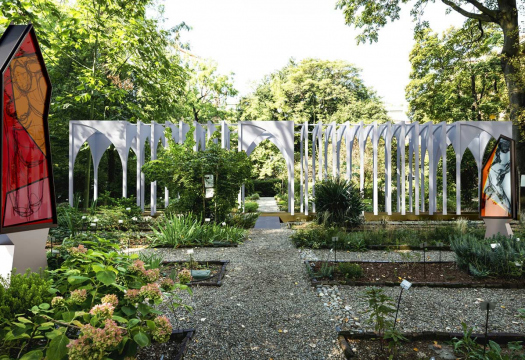
Materiae is INTERNI’s multi venue exhibition event across Milan, extending through sites including the University of Milan, the Brera Botanical Garden, Portrait Milano, Eataly Smeraldo, and De Castillia 23. INTERNI presents it as a widespread exhibition and shared research laboratory centered on matter and its experimental, technical, and creative potential.
The title itself suggests more than one reading. It points to materials, but also to disciplines and subjects, which suits an exhibition built around dialogue between design, architecture, ecology, philosophy, mathematics, and applied physics. That interdisciplinary spread feels especially resonant now. Matter is not treated as neutral here. It appears instead as something that holds traces, produces effects, and connects fields that are too often kept apart.
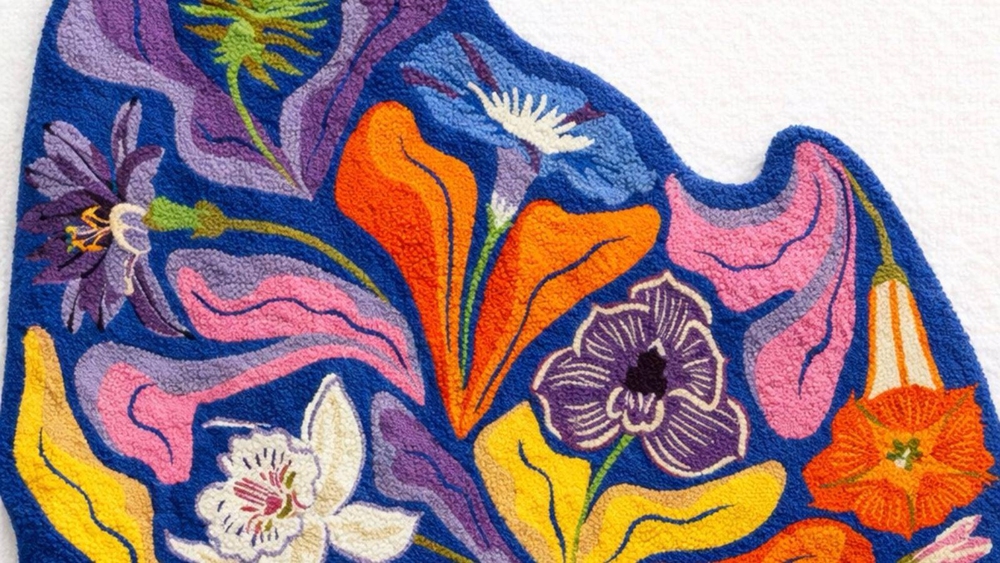
IN BETWEEN is a collective exhibition in Tortona presenting Ecuadorian design and contemporary arts through the themes of local identity and global dialogue. The project continues Ecuador’s presence at Milan Design Week and frames contemporary Ecuador through design and creative process rather than through a single style or image.
What stands out is the way the exhibition seems to hold tradition, experimentation, and collaboration in the same space. The participating designers reinterpret inherited knowledge through contemporary work, while still staying close to artisanal materials and processes. It fits well with Tortona Design Week’s 2026 idea of looking back in order to shape the future, not out of nostalgia, but as an active design gesture. That makes heritage feel less like an archive and more like living infrastructure.
Presented within the Isola Design Festival at Stecca3, The New State of Materials explores material innovation as a driver for design, technology, and applied research. The exhibition gathers materials developed around innovation, circularity, and decarbonization, while related festival coverage highlights everything from bio based materials to advanced plastics, nanotechnologies, and high performance coatings.
There is something refreshing about the directness of that framing. Instead of treating sustainability as a mood, the exhibition returns to the physical question of what the future is actually being made from. It gives material research a public stage and makes visible the choices, tradeoffs, and ambitions embedded in new matter itself. Very Milan, but also very useful.
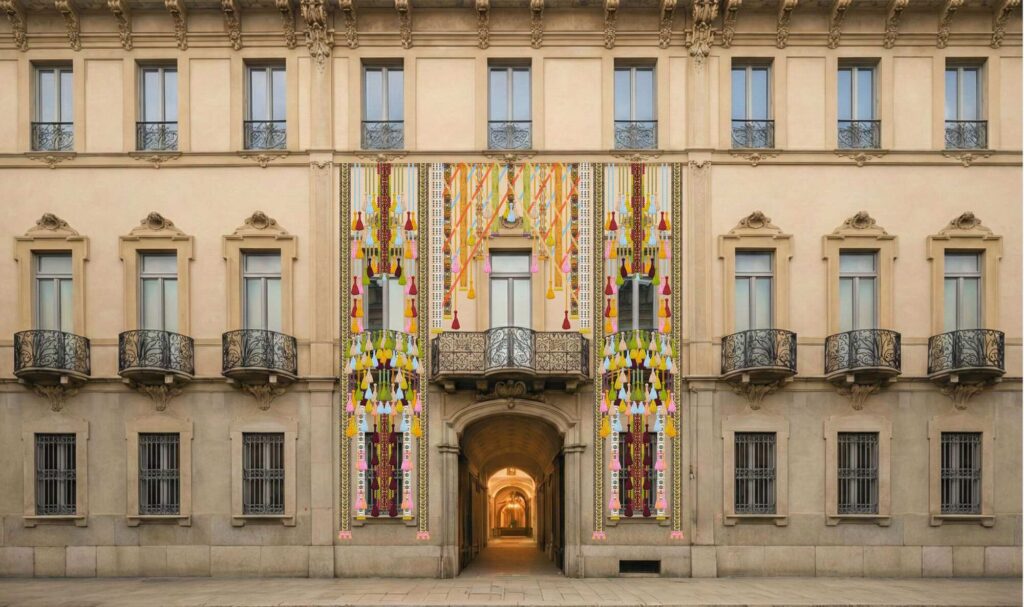
When Apricots Blossom is an immersive exhibition at Palazzo Citterio commissioned by the Uzbekistan Art and Culture Development Foundation. It reflects on hope, renewal, and resilience through the cultural heritage of the Aral Sea region and Karakalpakstan, unfolding through three elements of daily life in the region: textiles, food, and shelter
That structure gives the project a strong sense of intimacy. The exhibition moves through vibrant textiles, bread trays developed with Uzbek artisans, and a contemporary interpretation of the yurt, while drawing on materials such as wood, silk, ceramic, felt, and reed. Rather than separating environmental change from culture, it shows how communities continue adapting through craft, memory, and shared forms of making. The result feels grounded in continuity without becoming static.
Grand Seiko’s The Nature of Time takes shape in Brera through installations by Atsushi Shindo, Shingo Abe, and Takakuni Kawahara, presenting time through nature, perception, and material experience.
Kawahara’s presence adds a particular texture to the exhibition. According to Nihonmono, he is the sole inheritor of Hirudani Washi, a papermaking tradition from Asahi Town in Toyama Prefecture with a history stretching back about 400 years, and he handles the process from growing raw materials to making the paper himself. Bringing that lineage into the exhibition gives the theme of time a different register. It becomes less about abstraction and more about duration, repetition, and knowledge sustained through practice.
The common thread