For decades, the conversation around our planet has been about doing less harm. Consuming less, polluting less, taking less. And while that matters, it isn't enough anymore. The world doesn't just need us to stop breaking things. It needs us to actively heal them.
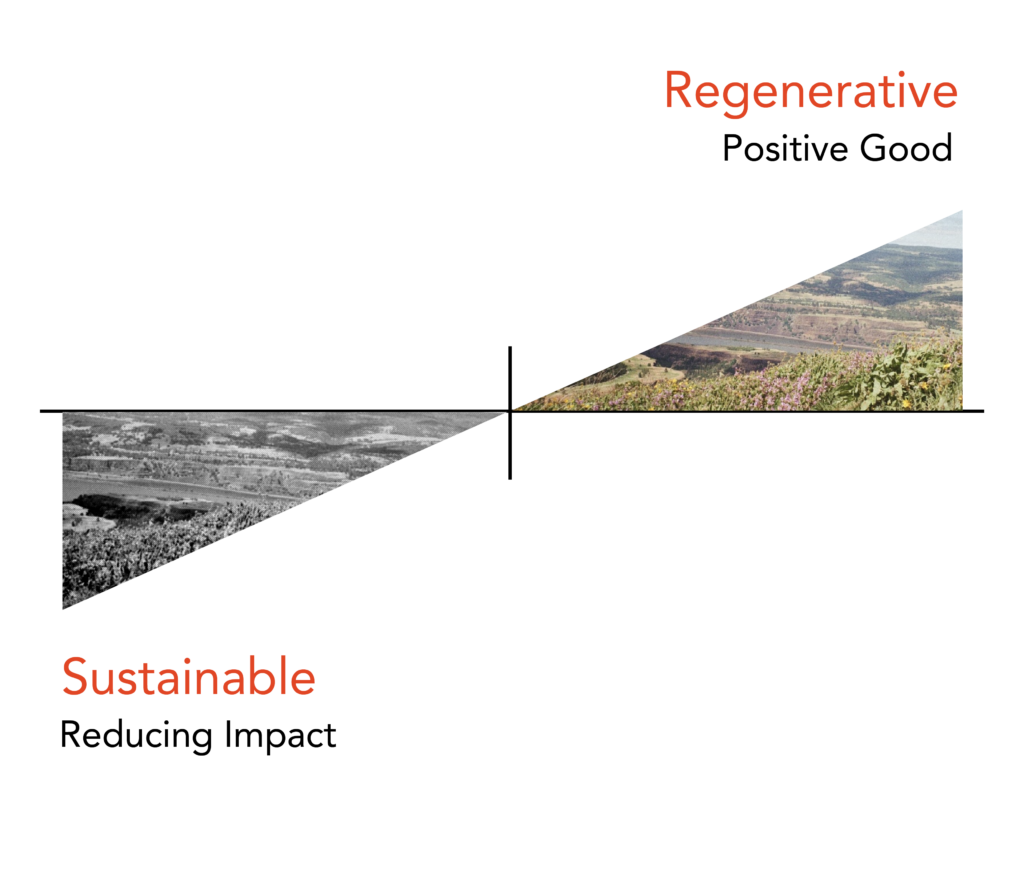
That's the difference between sustainability and regeneration. Sustainability asks: how do we slow the damage? Regeneration asks something more ambitious: how do we restore, renew, and give back more than we take? It's a shift from managing decline to actively building aliveness back into the world. And it changes everything about how we design.
The Gap.
Regenerative wisdom already exists. Most of the world just can't see it.
Regenerative design isn't a formula you can export from one place to another. It's rooted in local ecology, in ancestral knowledge, in the specific way a community understands its relationship to the land and to each other. What it looks like in the forests of Sweden looks nothing like what it looks like in the hill towns of Italy, or the savannas of East Africa, or the river communities of the Amazon.
And that's exactly the point.
Some of the most powerful regenerative thinking in the world is happening right now, in communities that rarely make it into design conferences or academic papers. This project is about going there, sitting with people, conducting case studies, and learning from the particular genius of each place. Not to translate local wisdom into universal theory, but to let it speak for itself.
The Project.
A summer of listening, learning, and designing across the world.
My name is Ananya. I'm a designer, and earlier last year I started volunteering with Third Horizon Earth, an organization working at the frontier of regenerative development. Being exposed to that work changed something in me. I realized I didn't just want to understand regenerative design. I wanted to practice it. To build it into everything I make.
But I also knew I couldn't learn what I needed just from a screen.
This summer, I'm going to the source. Traveling across the world, meeting the people doing regenerative work on the ground, and learning from how the people of a place already see the world and letting that reshape how I design for it. I'm going not as an authority, but as a student; as someone who believes that the most important thing a designer can do right now is listen.
What is being built, and what you'll be able to follow.
Everything I learn will be documented, published, and made accessible to the world as the journey unfolds.
An interactive map of needs, wisdom, and solutions.
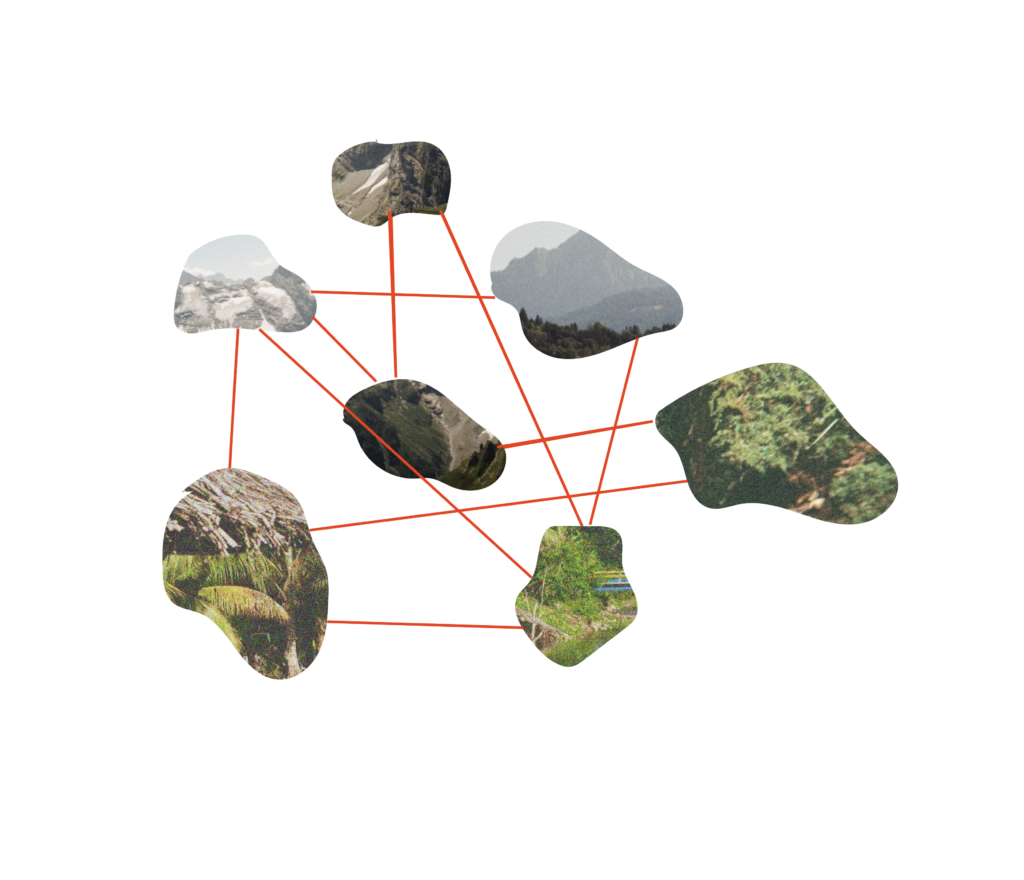
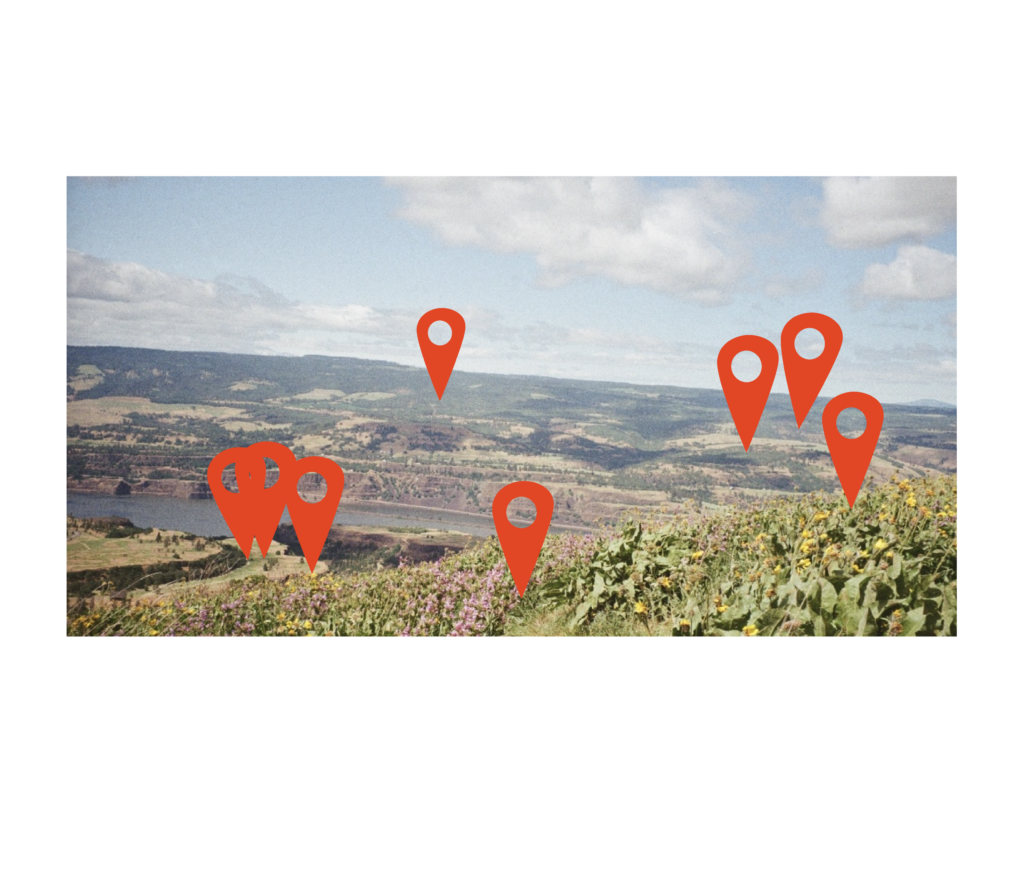
At the heart of The Regen Project is a living map. A place where the stories, needs, and knowledge I encounter get pinned to the places they come from. Local solutions. Community voices. It will grow throughout the summer and remain after it ends.
Case studies and interviews, published in real time.
Every place I visit will become a piece of written and visual documentation (blog posts, field notes, interviews) released as I go, so you can follow the thinking as it develops, not just the conclusions.
Videos from the field.
The conversations, the places, the projects, filmed and shared so that what's being built in these communities becomes visible to a wider world.
Voices from inside broken systems.
Alongside the regenerative case studies, I'll be asking a question in every place I visit: "What does a good life look like here, and what's standing in the way of it?" To not only understand what's being built, but what's still missing. These interviews with people navigating systems that aren't working for them will feed directly into the map, and into a longer design inquiry about where to start building something better.
The book.
A field journal of stories, art, and craft.
Parallel to the research, I'll be keeping a different kind of record.
Every few days, I'll write a new entry. A story, a case study, an encounter. Paired with a piece of art I've made or a photograph I've taken. And in each place I visit, I'll immerse myself in the material culture of that place. Its colors, its textures, its ways of making. The objects, patterns, and forms that have evolved over generations in response to a specific landscape, a specific culture, a specific way of being in the world. From each place, I'll design a product that carries something of where it came from. A material memory.
By the end of the summer, these entries will become a book. Part field journal, part art collection, part design document. A record of what regenerative practice looks, feels, and sounds like across the world. Told through writing, image, and objects.
This is just the beginning. Come along.
The Regen Project is a research project, a creative practice, and an open invitation. Whether you're a designer curious about what comes after sustainability, someone working in the regenerative space, or simply a person who believes the world can be built differently, this project is for you too.
Follow the journey as it unfolds. Share your own story for the map. Or reach out if you think there's a way to collaborate.
The world has more answers than we think. We just have to go find them.